What Do I Owe My Father? Part One
You have to take the bitter with the sweet.
Later in life than I care to admit, I started forgiving my dad for the things so that I could release the anger I was holding. I know that part of that process was accepting that I didn’t only get bad experiences and traits from him. When I look at it from a gratitude perspective, I do still have a hard time giving him credit for the good things he gave me, but striving for gratitude leads me to put them in writing. So this one is a gift for the version of me that needs it.
Most of the things he gave me feel like a blessing and a curse in and of themselves. His intelligence, which is mostly verbal and mechanical, seems to have been passed on to me. Intelligence is highly correlated with depression and compulsive behavior, which he seems to have passed on as well.
I recognize that the world is rife with knuckleheads who self-diagnose all kinds of things. Social media has lead to many many people self-diagnosing so many things (Tourette’s, all styles of neuroatypicality, gender dysphoria, all manners of disordered behavior), and well, I’m here to add myself to the list. I think I have a minor level of what is most often called ADHD. I would never be diagnosed as hyperactive, but I have never in my life been able to focus on any single task for more than thirty minutes or so, and must use coping mechanisms to focus for even that much time. While not hyperactive, my impulsivity is high, and my mind is definitely hyper-active. I have an internal voice that 70% of adults have, but mine never turns off. I am good for mere minutes of meditation at the very best, and can usually only manage that when under duress, in pain or emotional discomfort. I try to use it so that I don’t act out and make terrible choices or behave in a way I’ll regret. So I stop and focus on something, often counting backwards or following my breathing, to stop focusing on the thing causing me trouble.
My personal tool for coping with lack of focus has historically been interchanging several tasks, jumping from one to another until they are all finished, or more often, just mostly finished. I do this at work constantly. My to-do list is always plentiful, even if I have to add low priority items to give me a break from the item at the top of the list. I’ve been a longtime caffeine lover, avoiding modern high-caffeine drinks (multi-shot coffees and energy drinks), but drinking a couple cups of coffee each morning and half a gallon of iced tea most days. Before I drank the coffee, it was diet soda and more like a gallon of iced tea. Recently, for the first time, I tried nicotine.
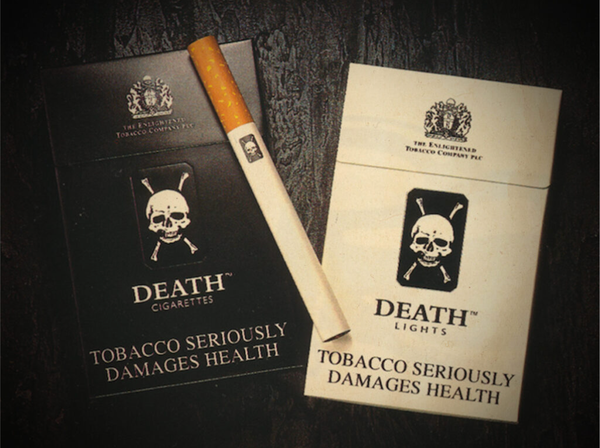
I use nicotine gum, rarely and at most 1mg/day. Given my dad’s life long nicotine addiction, I think it very likely he has undiagnosed ADHD as well. He has the impulsivity in many areas that most people find a way to function, taking care of ourselves with exercise, meditation, healthy eating (both of us would call it gluttony), self-medicating, for example with nicotine, caffeine, etc., where the “etc.” is doing a herculean amount of heavy lifting.
Another gift I got from him: I’m not bad looking. While both my parents have solid genes in this area, I landed well-enough by getting a solid dose of his handsomeness. A blessing to be sure. (Don’t worry, I know I’m a 6 or so, maybe a solid 7 now that I’m 50 since men get a free bump with age.)
One of the most powerful things I got from him is that he can talk to just about anyone, in just about any situation, and make a conversation happen. Even when I was at my most resentful of him, I always knew this was his superpower. He could have a comfortable conversation with a homeless man, and I’m confident he could be just as comfortable with any head of state. In his prime, I think they would even enjoy it. This ability is not only due to the fact that he can hold his own end of the conversation but that he doesn’t hold anyone’s station over their humanity. Interestingly, I’m sure that part of this is due a varying level of what might now be called oppositional defiant disorder, but the upside of an anarchic view of the world is that rank and title don’t intimidate you into clamming up. In most of our lives, the type of “celebrity” we meet most often is someone with a position like CEO or mayor or pastor, and most people are deferential to these roles based on the role more than the person holding it. I can be as affected by celebrity as anyone, but it doesn’t take much for me to treat anyone as a human being, which precludes treating them as above me or anyone else.
One of the biggest lessons I can directly connect to my mom is the idea that there’s good and bad in everything, and that’s the one I’m applying here. The bitter and the sweet.
Expected topics in Part Two: How to not get sick, living outside society, laughing at everything